
"18th century coffee ban"
70 article(s) found

Coffee lovers must see it! 15 Coffee Cold knowledge tells the Historical process of Communication
Professional coffee knowledge exchange more coffee bean information please follow the coffee workshop (Wechat official account cafe_style) more boutique coffee beans please add private Wechat Qianjie coffee, WeChat: there are more than 1.3 billion people around the world, the first thing every morning is to have a cup of coffee to open.

Why was coffee banned when it was first introduced into Germany? what can replace coffee?
The exchange of professional baristas please follow the coffee workshop (Wechat official account cafe_style) this time, I will take a look at the original episode of the coffee transmission to Europe. At that time, people thought that coffee was unlucky, coffee was not accepted by people, and its appearance was affected. In the case of coffee in Hungary, coffee has existed in Hungary since the end of the 16th century, but this Hungary is in Europe.

The reason why British people like to drink tea comes from the alternation of tea culture and coffee culture.
It is known all over the world that English people are addicted to tea. But from the mid-17th century to the early 18th century, the whole of London was soaked in coffee instead of tea. British men switch from drinking to drinking coffee, or both. When they get drunk in a pub, they go to the cafe to sober up with caffeine, and then go to the pub to continue drinking. But King Charles II of England banned cafes in 1675.
Coffee and the basic knowledge of Japanese Coffee Culture
As early as the end of the 17th century, the Dutch brought coffee to Asia in the early 18th century, and coffee was soon introduced to Japan. Before and after the Meiji Restoration, Japan advocated total westernization, and the coffee culture with Dutch flavor took root in Japan. During the Taisho period (1879-1926), due to the pervasive atmosphere of freedom and democracy, fresh and luxuriant culture, cafes have been very prosperous. But with the Japanese army,

In order to dispel people's prejudice against drinking coffee, Bach wrote a musical specially for coffee.
Professional baristas follow the Coffee Workshop (official Wechat account cafe_style) A father and daughter quarreled endlessly in Leipzig, Germany in the early 18th century. Father: you naughty boy, presumptuous girl, how can I get you to quit coffee! Daughter: father, please don't be so hard on me. If I can't drink three cups of coffee every day, then I
Literary Cafe in England
It is known all over the world that English people are addicted to tea. But from the mid-17th century to the early 18th century, the whole of London was soaked in coffee instead of tea. British men switch from drinking to drinking coffee, or both. When they get drunk in a pub, they go to the cafe to sober up with caffeine and then go to the pub to continue drinking. The first coffee shop in England, which appeared at Oxford University in 1650, was a

Coffee Culture History of British Literary Cafe
It is known all over the world that English people are addicted to tea. But from the mid-17th century to the early 18th century, the whole of London was soaked in coffee instead of tea. British men switch from drinking to drinking coffee, or both. When they get drunk in a pub, they go to the cafe to sober up with caffeine and then go to the pub to continue drinking. The first coffee shop in England, which appeared at Oxford University in 1650, was a
Coffee Culture of various countries British Literary Cafe
It is known all over the world that English people are addicted to tea. But from the mid-17th century to the early 18th century, the whole of London was soaked in coffee instead of tea. British men switch from drinking to drinking coffee, or both. When they get drunk in a pub, they go to the cafe to sober up with caffeine and then go to the pub to continue drinking. The first coffee shop in England, which appeared at Oxford University in 1650, was a

Coffee Culture of various countries British Literary Cafe
It is known all over the world that English people are addicted to tea. But from the mid-17th century to the early 18th century, the whole of London was soaked in coffee instead of tea. British men switch from drinking to drinking coffee, or both. When they get drunk in a pub, they go to the cafe to sober up with caffeine and then go to the pub to continue drinking. The first coffee shop in England, which appeared at Oxford University in 1650, was a
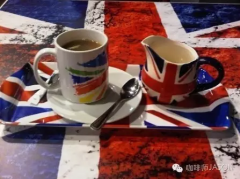
An introduction to the History of Coffee in Britain-the Development of Literary Cafe
Coffee is absolutely an integral part of British people's daily life. Whether rich or poor, from workers, students to high society, they can establish a close relationship with the cafes built along the street. For them, drinking coffee is an essential part of life. It is known all over the world that English people are addicted to tea. But from the mid-17th century to the early 18th century
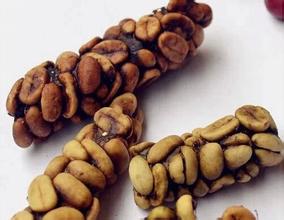
Introduction to Kopi Luwak Coffee Coffee and Coffee
Kopi Luwak is made in Indonesia. In the early 18th century, the Dutch established coffee plantations in the Indonesian colonies of Sumatra and Java, and banned locals from picking and eating their own coffee fruits. Indonesian locals inadvertently found that civets love to eat these coffee fruits and will drain the beans intact when they poop. The civet can only pick the most familiar.

Introduction to the latest news of boutique coffee beans and civet coffee
Kopi Luwak is made in Indonesia. In the early 18th century, the Dutch established coffee plantations in the Indonesian colonies of Sumatra and Java, and banned locals from picking and eating their own coffee fruits. Indonesian locals inadvertently found that civets love to eat these coffee fruits and will drain the beans intact when they poop. The civet can only pick the most familiar.

The characteristic flavor of civet coffee
Kopi Luwak is made in Indonesia. In the early 18th century, the Dutch established coffee plantations in the Indonesian colonies of Sumatra and Java, and banned locals from picking and eating their own coffee fruits. Indonesian locals inadvertently found that civets love to eat these coffee fruits and will drain the beans intact when defecating. The civet can only pick the most familiar.

Coffee and the Story of Coffee Culture in Japan
As early as the end of the 17th century, the Dutch brought coffee to Asia in the early 18th century, and coffee was soon introduced to Japan. Before and after the Meiji Restoration, Japan advocated total westernization, and the coffee culture with Dutch flavor took root in Japan. During the Taisho period (1879-1926), due to the pervasive atmosphere of freedom and democracy, fresh and luxuriant culture, cafes have been very prosperous. But with the Japanese army,

Characteristics of civet coffee flavor Kopi Luwak of civet coffee
Kopi Luwak is made in Indonesia. In the early 18th century, the Dutch established coffee plantations in the Indonesian colonies of Sumatra and Java, and banned locals from picking and eating their own coffee fruits. Indonesian locals inadvertently found that civets love to eat these coffee fruits and will drain the beans intact when defecating. The civet can only pick the most familiar.
The historical origin of coffee? Do you know how many
Professional baristas Please follow the Coffee Workshop (official Wechat account cafe_style) at the beginning of the seventh century, in 575 AD, the Arab Karl was grazing in the Ethiopian steppes of Africa when he discovered a coffee tree. In the eighth century, Arabs used coffee as wine and medicine. In the ninth century, Arab Islam began to drink coffee by roasting and grinding raw beans. Arab merchants in the tenth century

About the history of coffee, what is the origin of coffee?
Professional baristas Please follow the Coffee Workshop (official Wechat account cafe_style) at the beginning of the seventh century, in 575 AD, the Arab Karl was grazing in the Ethiopian steppes of Africa when he discovered a coffee tree. In the eighth century, Arabs used coffee as wine and medicine. In the ninth century, Arab Islam began to drink coffee by roasting and grinding raw beans. Arab merchants in the tenth century

How do you make cat shit coffee, cat shit coffee taste
Pay attention to coffee reviews (Weixin Official Accounts vdailycom ) and find a beautiful cafe to open its own small shop cat excrement coffee, produced in Indonesia. In the early 18th century, the Dutch established coffee plantations in the Indonesian colonies of Sumatra and Java, and prohibited the locals from picking and eating their own coffee fruits. Locals living in Indonesia also accidentally discovered musk